
Local anesthesia numbs a specific treatment area to prevent pain, while dental sedation helps you relax and may change your level of awareness. These approaches serve different purposes and may be used together during certain dental procedures. Your dentist should explain which approach is appropriate based on your treatment, medical history, and individual needs.
Understanding dental sedation vs local anesthesia helps you prepare for treatment and ask informed questions. Before your appointment, discuss the proposed medications, expected sensations, safety monitoring, recovery instructions, and whether you will need someone to drive you home.
The Difference Between Numbing and Relaxation
Local anesthesia and sedation are different approaches to managing comfort during dental treatment.
Although both may contribute to a more comfortable appointment, they do not work in the same way.
What Does Local Anesthesia Do?
Local anesthesia dental treatment involves administering medication that temporarily blocks pain signals from a specific area.
Your dentist may use local anesthesia during procedures such as:
- Dental fillings and cavity treatment
- Crown preparation
- Tooth extractions
- Certain periodontal procedures
- Other treatments involving sensitive oral tissues
A topical numbing medication may be applied before an injection to reduce discomfort.
Once the anesthetic takes effect, the treated area becomes numb. You may still notice pressure, movement, or vibration during the procedure.
Local anesthesia does not ordinarily affect your consciousness. You remain awake and able to communicate with your dentist.
What Does Dental Sedation Do?
Dental sedation uses medication to reduce anxiety, promote relaxation, or change your level of awareness.
Depending on the medication and method, sedation may help you feel calmer or less aware of treatment.
However, sedation does not automatically eliminate pain.
Your dentist may still use local anesthesia to numb the treatment area.
The primary distinction is:
- Local anesthesia: Controls pain in a particular area.
- Sedation: Helps manage anxiety, relaxation, and awareness.
- Combined treatment: May address both discomfort and anxiety when clinically appropriate.
Your dentist determines which approach is suitable after reviewing your health and planned procedure.
How Awareness Varies by Sedation Method
An important part of comparing dental sedation vs local anesthesia is understanding how different medications affect consciousness.
Not every sedation method causes sleep.
The level of awareness depends on the medication, dosage, individual response, and intended sedation level.
Nitrous Oxide Sedation
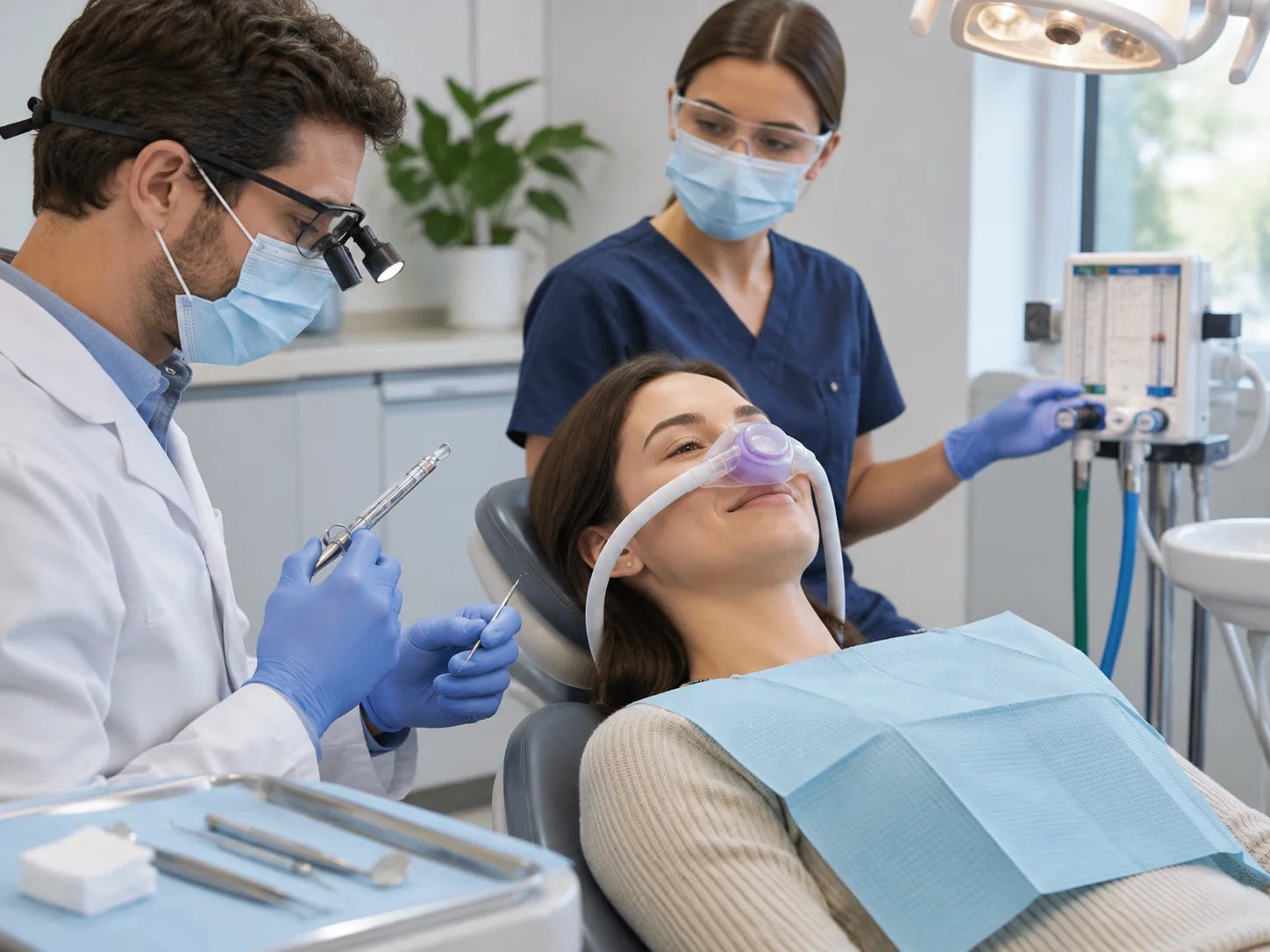
Nitrous oxide, commonly called laughing gas, is inhaled through a small mask placed over your nose.
It is administered with oxygen and can help reduce anxiety during treatment.
With minimal sedation, you generally remain awake and responsive.
Potential experiences include:
- Feeling calmer or more relaxed
- Reduced awareness of minor discomfort
- Mild lightheadedness
- Temporary changes in how you perceive treatment
Village Smile Care identifies nitrous oxide as one of its available sedation approaches.
Its effects generally wear off relatively quickly after administration stops, although your dentist must assess your condition before discharge.
Oral Sedation
Oral sedation involves taking prescribed medication to help reduce anxiety.
Depending on the medication and dose, you may feel drowsy or experience reduced awareness of the appointment.
Some medications can also affect memory of the procedure.
Important considerations include:
- The medication prescribed
- Your medical history
- Other medications you take
- Your expected level of alertness
- Transportation and recovery requirements
Village Smile Care also describes oral sedation as an available option.
However, your dentist must determine whether it is appropriate for your circumstances.
Deeper Levels of Sedation
Moderate sedation, deep sedation, and general anesthesia involve different levels of responsiveness and monitoring requirements.
General anesthesia produces a controlled state of unconsciousness and is not interchangeable with routine dental sedation.
Some procedures or patient circumstances may require treatment in a different clinical setting.
Do not assume that every sedation method is available at every dental office.
Ask which methods are appropriate, who administers them, and whether specialist referral is necessary.
Why Both Approaches May Be Part of One Appointment
Some patients assume sedation replaces numbing medication.
In many dental procedures, that is not the case.
Sedation may help you remain relaxed, while local anesthesia controls pain in the area being treated.
For example, a patient undergoing a tooth extraction may receive local anesthesia even when sedation is also used.
The exact combination depends on the procedure and treatment plan.
Why Might Your Dentist Recommend Both?
A combined approach may be considered when:
- You experience significant dental anxiety.
- You have difficulty remaining relaxed during treatment.
- The procedure is expected to be lengthy.
- You have previously struggled with certain dental appointments.
- Your medical history supports the proposed medications.
Not everyone needs sedation.
Many dental procedures can be completed using local anesthesia alone.
If your primary concern is pain rather than anxiety, discuss whether local anesthesia and other comfort measures may adequately address your needs.
For further information, review Village Smile Care’s existing sedation information.
Health History and Medication Questions
Your medical history is important when deciding whether sedation is suitable.
The American Dental Association recommends discussing your general health, allergies, medications, and anxiety level before choosing anesthesia or sedation.
A thorough review helps your dentist identify potential medication interactions and other clinical considerations.
Medical Conditions to Discuss
Tell your dentist about relevant health concerns, including:
- Heart or respiratory conditions
- Sleep apnea or other breathing difficulties
- Liver or kidney disease
- Previous reactions to anesthesia or sedation
- Pregnancy or possible pregnancy
- Allergies and medication sensitivities
- Significant changes in your health
These conditions do not automatically prevent dental treatment or sedation.
However, they may influence medication selection, monitoring, or whether consultation with another healthcare professional is necessary.
Which Medications Should You Mention?
Before receiving dental anxiety medication, provide a complete list of everything you take.
Include:
- Prescription medications
- Over-the-counter pain relievers
- Sleep medications
- Anti-anxiety medications
- Antidepressants
- Blood thinners
- Supplements and herbal products
- Alcohol or other substances that could affect sedation
Some medications and substances can increase sedation effects or interact with prescribed drugs.
Do not stop, skip, or change any medication without guidance from the appropriate prescribing healthcare professional.
Your dentist may need additional information before confirming the treatment plan.
Preparation and Transport Instructions to Confirm
Your preparation instructions depend on the proposed procedure, medication, and sedation level.
Patients should not assume that instructions for one type of sedation apply to another.
Before your appointment, confirm all requirements directly with your dental team.
Questions About Eating and Drinking
Ask whether you need to avoid food or beverages before treatment.
Fasting requirements vary depending on the sedation method and clinical circumstances.
Do not independently follow fasting instructions found online without confirming that they apply to your appointment.
Medication Instructions
Ask whether you should take your regular medications as scheduled.
Your dentist may coordinate with your prescribing clinician if changes are being considered.
Never adjust medication doses independently to prepare for sedation.
Do You Need Someone to Drive You Home?
Transportation requirements depend on the medication and your recovery.
For example:
- Local anesthesia alone: Driving restrictions are not usually necessary solely because an area is numb, although other factors may apply.
- Nitrous oxide alone: Patients may be able to drive after appropriate recovery and clinical assessment.
- Oral sedation: A responsible adult generally needs to provide transportation because sedative effects can continue after treatment.
- Deeper sedation: Additional transport and supervision requirements may apply.
Village Smile Care specifically advises transportation assistance for patients receiving oral sedation.
Confirm whether your escort must remain available during the appointment and whether someone should stay with you afterward.
You can also review the practice’s first appointment expectations when preparing for your visit.
How Monitoring and Recovery Are Discussed
Safety monitoring is an important part of dental sedation.
The type and extent of monitoring depend on your sedation level, health history, and applicable clinical requirements.
Before treatment, ask how your condition will be evaluated throughout the appointment.
What May Be Monitored?
Depending on the planned sedation, monitoring may involve:
- Blood pressure
- Heart rate
- Breathing and oxygen levels
- Responsiveness
- Overall clinical condition
Your dentist should explain which measurements are necessary and how the team manages unexpected changes.
You can also ask about the training of the professionals involved in administering and monitoring sedation.
What Happens During Recovery?
Recovery differs according to the medications administered.
After local anesthesia, your mouth may remain numb temporarily.
Avoid chewing or consuming very hot foods while numbness could lead to accidental injury.
Following sedation, you may experience lingering drowsiness, reduced coordination, or slower reactions.
Your dental team should provide individualized instructions covering:
- When you may eat and drink
- Whether you should avoid driving
- When regular activities may resume
- Whether adult supervision is necessary
- Which symptoms require immediate attention
Follow your specific discharge instructions rather than assuming your recovery will match someone else’s experience.
Questions for Your Mount Horeb Consultation
A sedation dentist consultation should help you understand the recommended approach before you agree to treatment.
Prepare questions based on your medical history, concerns, and planned procedure.
Important Questions to Ask
1. Is sedation necessary for my procedure?
Ask whether local anesthesia alone would be appropriate.
2. Which sedation method are you recommending?
Request an explanation of the medication, expected effects, and available alternatives.
3. Will I remain awake and responsive?
Clarify your anticipated level of awareness.
4. Will local anesthesia also be used?
Ask how pain will be controlled during treatment.
5. What health conditions or medications affect my options?
Review your complete medical history and current medications.
6. What should I do before the appointment?
Confirm food, beverage, medication, and transportation instructions.
7. How will I be monitored?
Ask about monitoring procedures, staff responsibilities, and recovery assessments.
8. When can I return to normal activities?
Discuss restrictions and whether someone needs to assist you at home.
These sedation appointment questions help you understand the proposed treatment without assuming that one method is appropriate for every patient.
Village Smile Care encourages individualized discussions about dental comfort. You can learn more about the practice through its dental team information.
Frequently Asked Questions
Does sedation replace local anesthesia?
Not necessarily. Sedation helps manage anxiety and awareness, while local anesthesia prevents pain in a specific area. Both may be used together when appropriate.
Will I be awake during dental sedation?
It depends on the method and sedation level. With nitrous oxide or minimal sedation, you generally remain awake and responsive. Deeper sedation can affect awareness more significantly.
Do I need someone to drive me home?
Oral sedation generally requires someone to drive you home. Nitrous oxide alone may not require an escort after appropriate recovery. Always follow your dentist’s specific instructions.
Which medications should I discuss before treatment?
Tell your dentist about prescription medications, over-the-counter drugs, supplements, sleep aids, and anti-anxiety medications. Discuss relevant substance use and previous medication reactions.
Can I choose local anesthesia instead of sedation?
Local anesthesia alone may be appropriate for many procedures. Your dentist can explain whether it provides sufficient comfort and pain control for your individual treatment.
Request an Individualized Comfort Plan in Mount Horeb
Understanding dental sedation vs local anesthesia helps you make informed decisions about comfort, pain control, and treatment preparation.
At Village Smile Care in Mount Horeb, WI, the dental team offers local anesthesia and selected sedation options, including nitrous oxide and oral sedation.
If you have questions about managing discomfort or anxiety during dental treatment, contact Village Smile Care at (608) 437-7645 to request a consultation and discuss an individualized comfort plan.